
Emily Carter · 2026-07-15
Why Our Programming Classes Are Perfect for English Learners.

At Syntaxryfe we have spent years refining our approach to teaching programming in English. Many students come to us with solid technical interest but worry that their language skills might hold them back. What they discover is that our classes turn that concern into an advantage. By combining clear instruction with real coding projects, learners practice both skills at once without feeling overwhelmed.
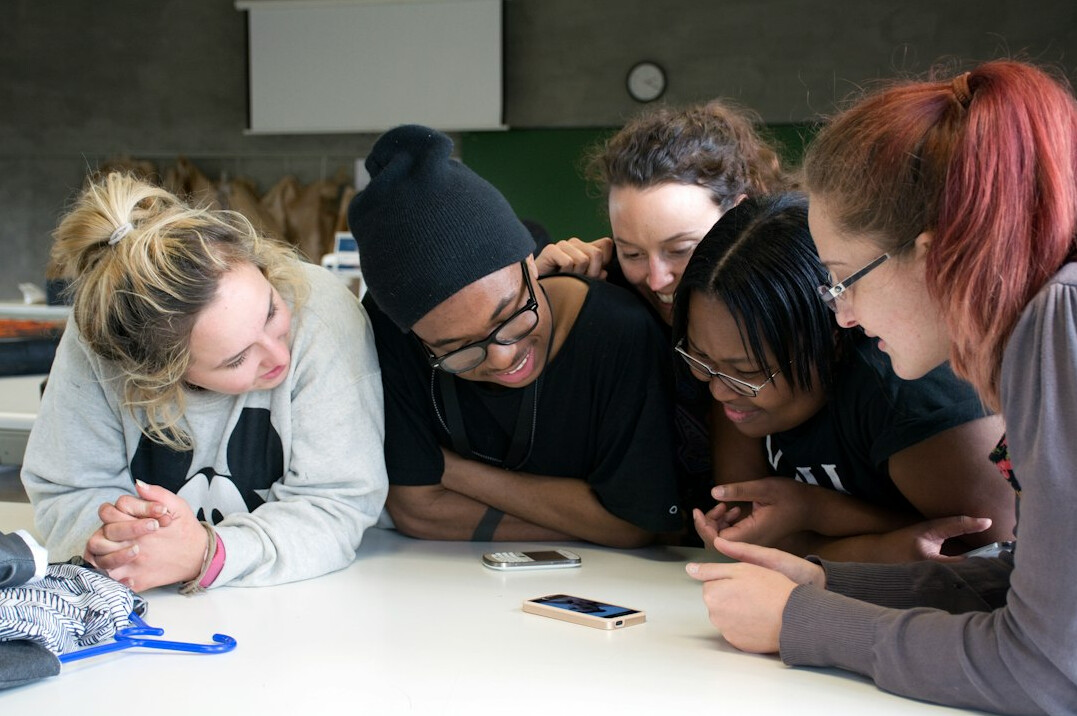
Practical Vocabulary That Sticks
Instead of memorizing long lists of words, students pick up terminology while solving actual problems. When someone needs to debug a loop or style a webpage, the relevant terms appear in context. Over time this repetition builds confidence. Instructors pause to explain tricky phrases, yet they keep the focus on getting the code to run. The result is language that feels useful rather than academic.
Supportive Environment for All Levels
Our groups mix beginners and those with some experience. This mix encourages questions and peer explanations, both of which strengthen English. No one feels singled out for language gaps because everyone is there to learn something new. Instructors model natural speech patterns during live coding sessions, showing how programmers talk through their thinking.

Projects That Mirror Real Work
Each course ends with a project that could appear in a portfolio. Students write documentation, create presentation slides, and record short demo videos. These tasks require clear English descriptions of what the code does and why certain choices were made. Feedback sessions focus on both technical correctness and how well the explanation comes across. By graduation, learners have tangible proof of improved communication alongside working software.
One former student told us the biggest surprise was realizing she could explain her code in job interviews without translating in her head first.
Flexible Pacing and Extra Resources
Recordings of every lesson stay available for review. Transcripts and vocabulary glossaries are updated weekly. If a concept still feels unclear, students can book short one-on-one calls with an instructor. The goal is steady progress rather than perfection on the first try. This low-pressure structure helps language learners stay motivated even when grammar or pronunciation feels tricky.
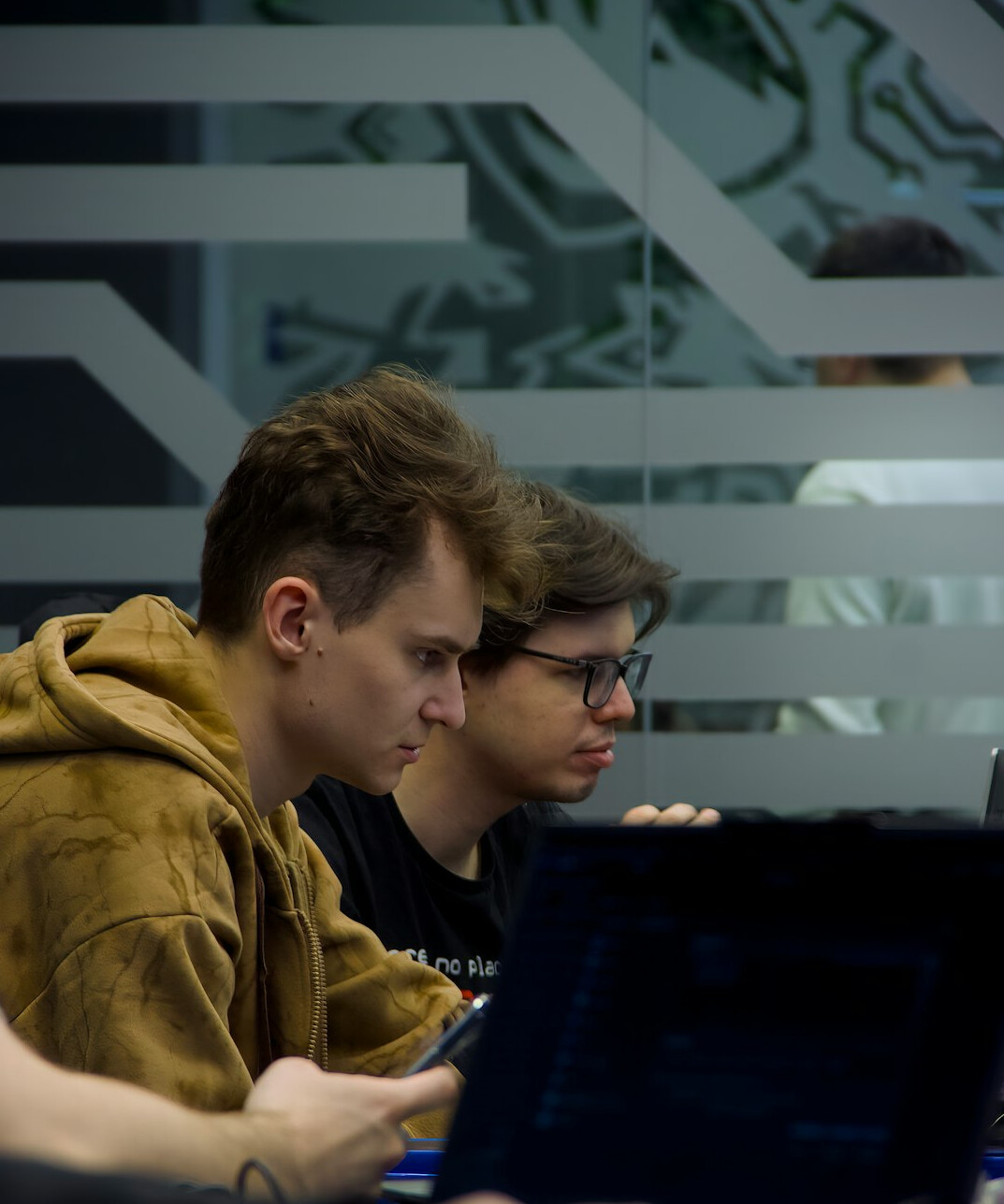
Community Beyond the Classroom
Graduates often stay in touch through our alumni chat and monthly meetups. These gatherings give everyone a chance to practice technical English in casual settings. Conversations range from career updates to quick code reviews. The ongoing connection reinforces both programming habits and language fluency long after the course ends.
Choosing to study programming in English does not require perfect fluency upfront. It simply requires a willingness to try. At Syntaxryfe we meet students where they are and help them move forward on both fronts. The classes feel natural because they focus on doing rather than drilling. Over time the language improves almost without notice, while the code grows more sophisticated. That combination is what makes our approach stand out for English learners who want practical skills they can use right away.